How cars work
How cars work: eight systems, explained
The eight systems that make a car go, stop, steer and ride, one guide each, with an interactive diagram you can drive yourself. They follow the eight systems in the 3D Mechanic app, and the numbers come from the app's own models wherever it has them.
-
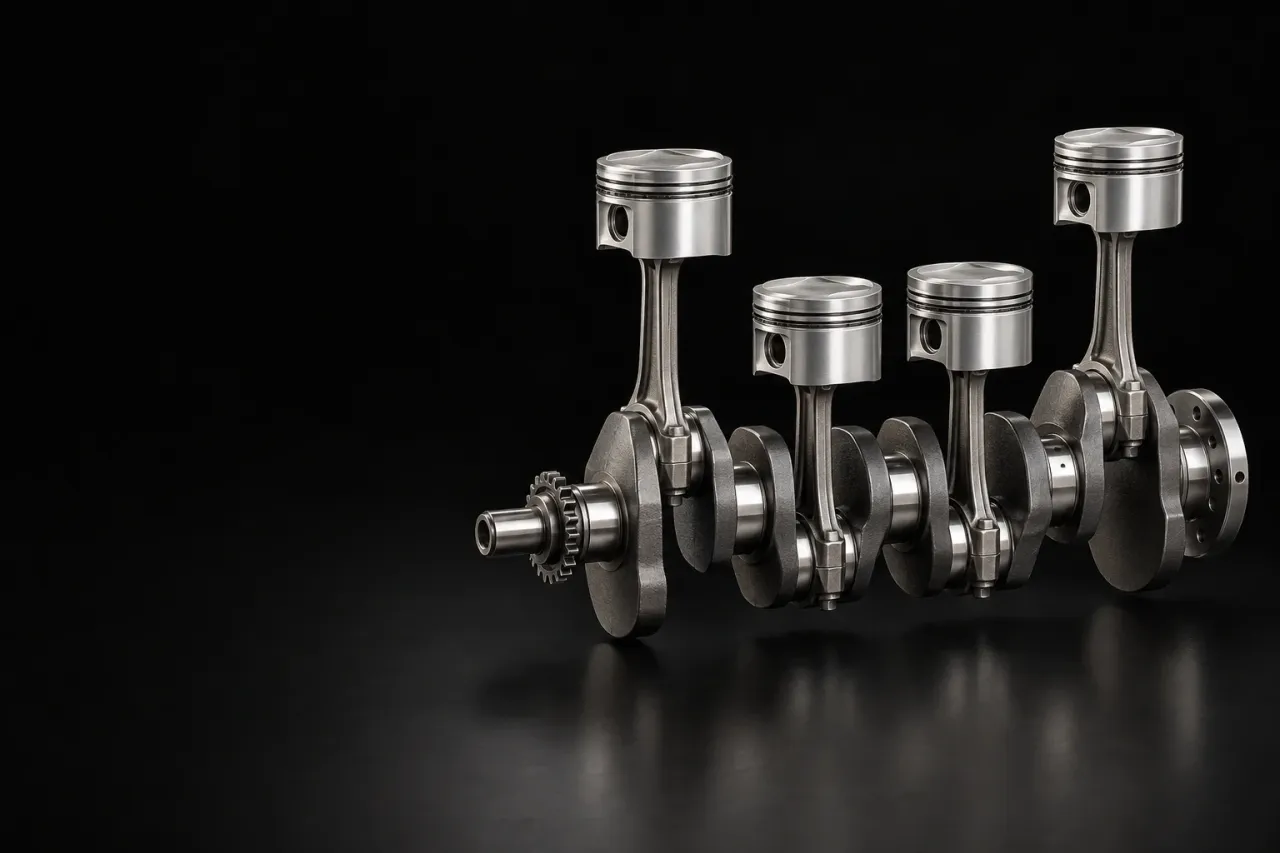
Engine
How does a four-stroke engine work?
A four-stroke engine makes power in a cycle of four piston strokes, which take two turns of the crankshaft.
Read the guide -
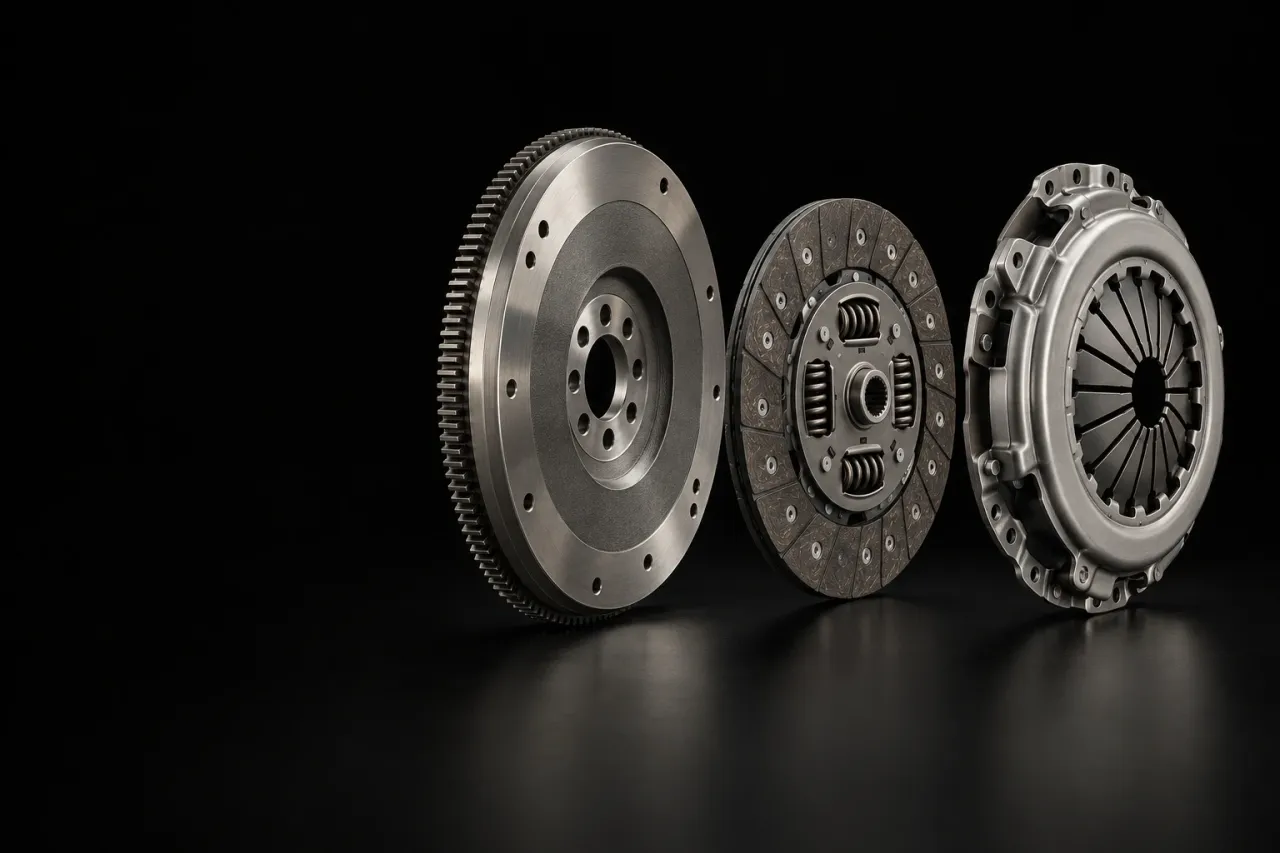
Clutch
How does a car clutch work?
A clutch connects and disconnects the engine and the transmission.
Read the guide -
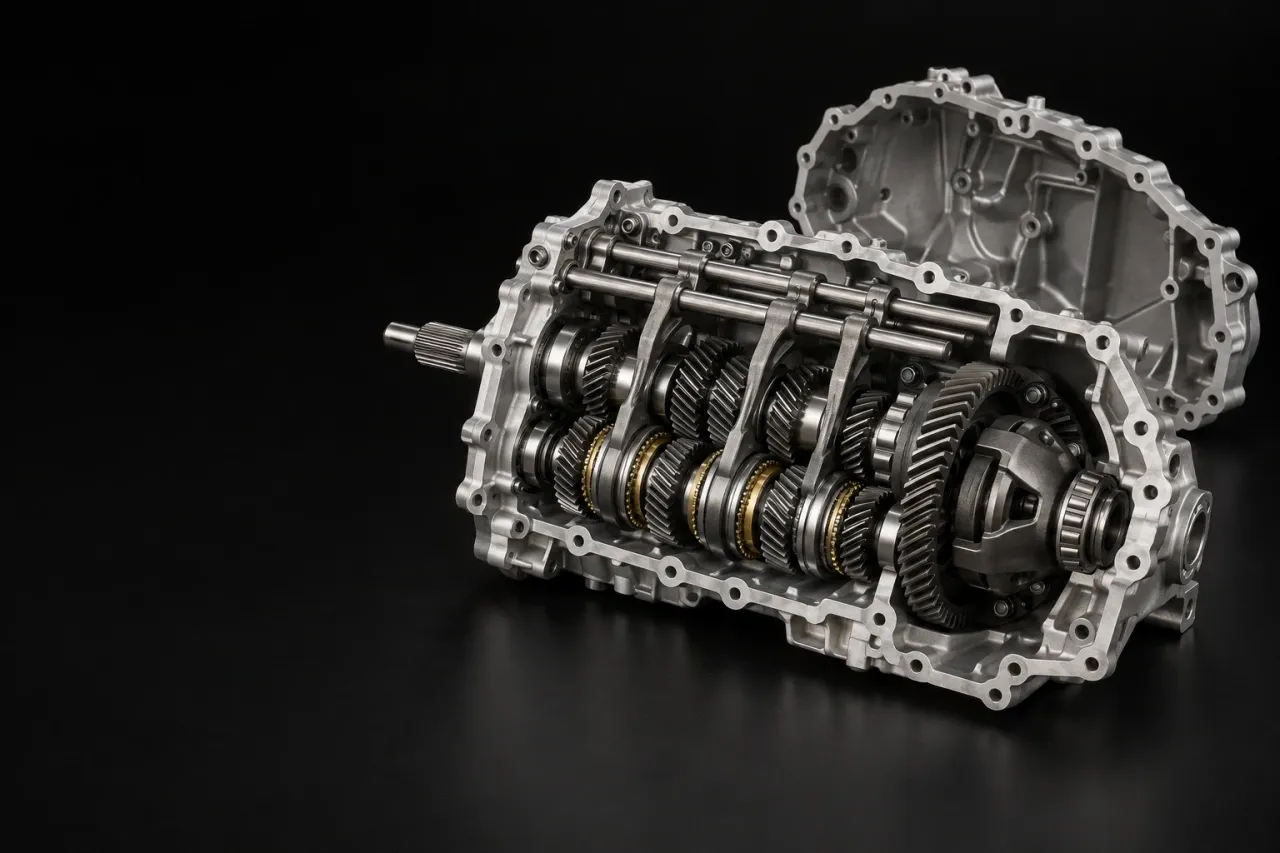
Gearbox
How does a manual transmission work?
A manual transmission lets the engine run at a useful speed however fast the car is going.
Read the guide -
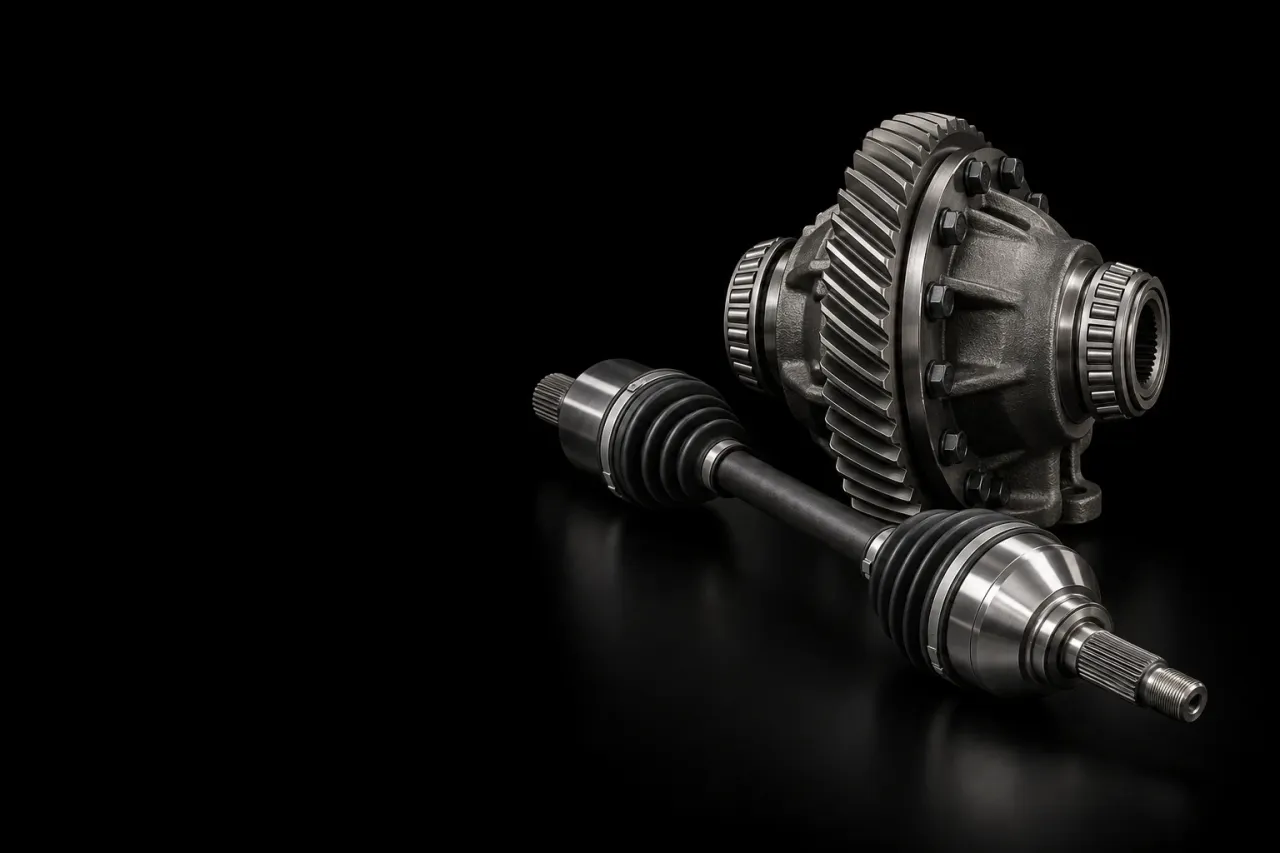
Drivetrain
How do a CV axle and a differential work?
A CV axle works by carrying the drive from the differential to a wheel through a constant velocity (CV) joint at each end, which bends so the wheel can steer and the suspension move without the drive faltering.
Read the guide -
Suspension
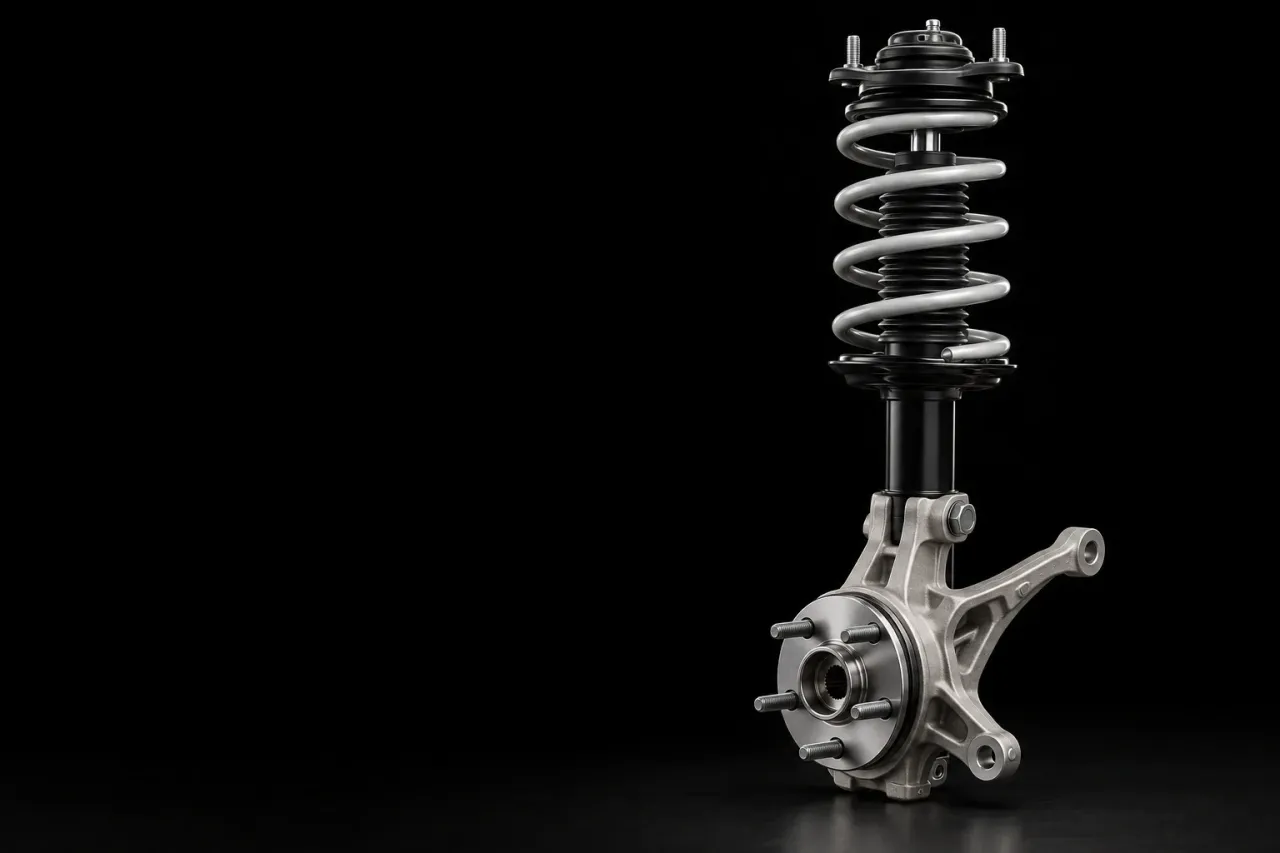
How does a MacPherson strut work?
A MacPherson strut is a suspension design in which one unit, a coil spring wrapped around a shock absorber, locates the top of the wheel and carries the car's weight.
Read the guide -
Wishbone
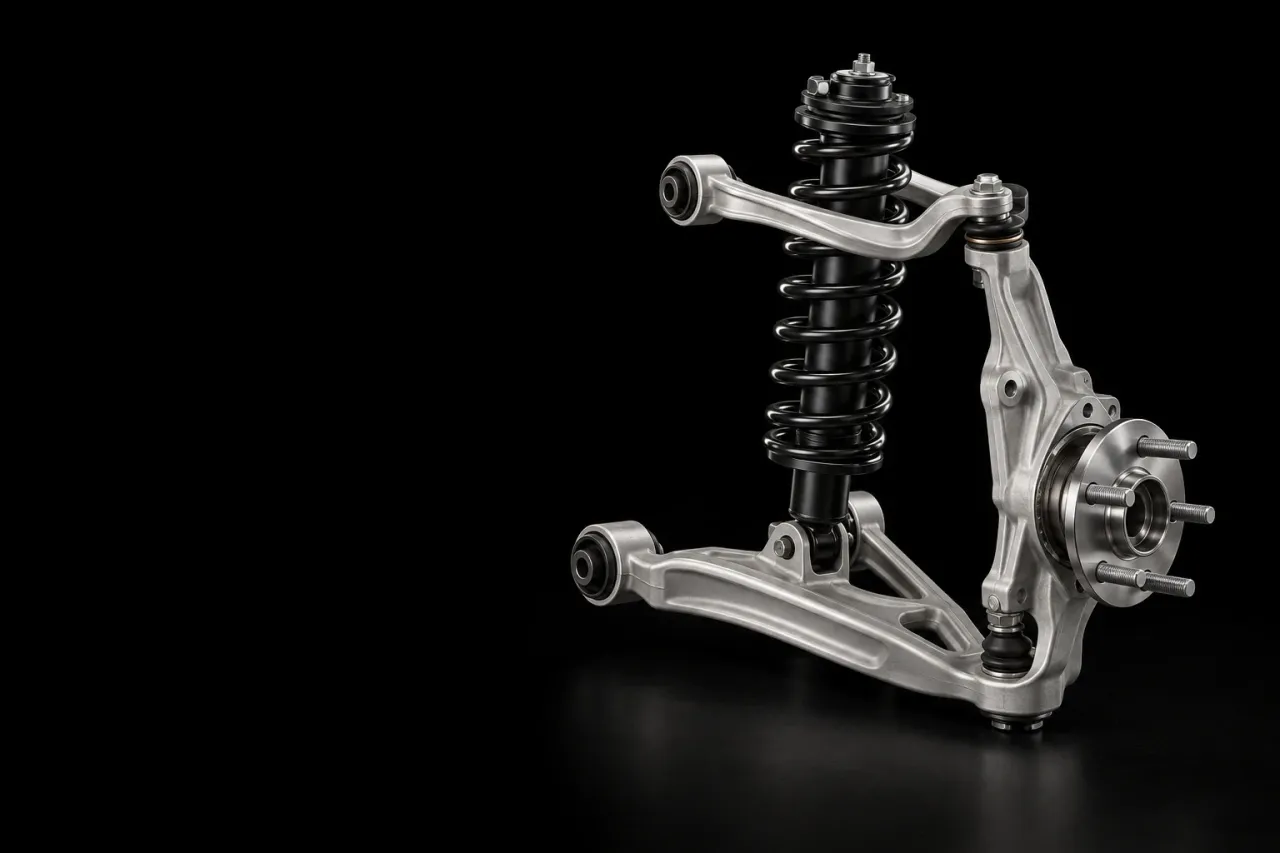
How does double wishbone suspension work?
Double wishbone suspension holds each wheel between two A-shaped arms, an upper and a lower, which pivot on the body and meet the wheel's knuckle at ball joints.
Read the guide -
Brakes
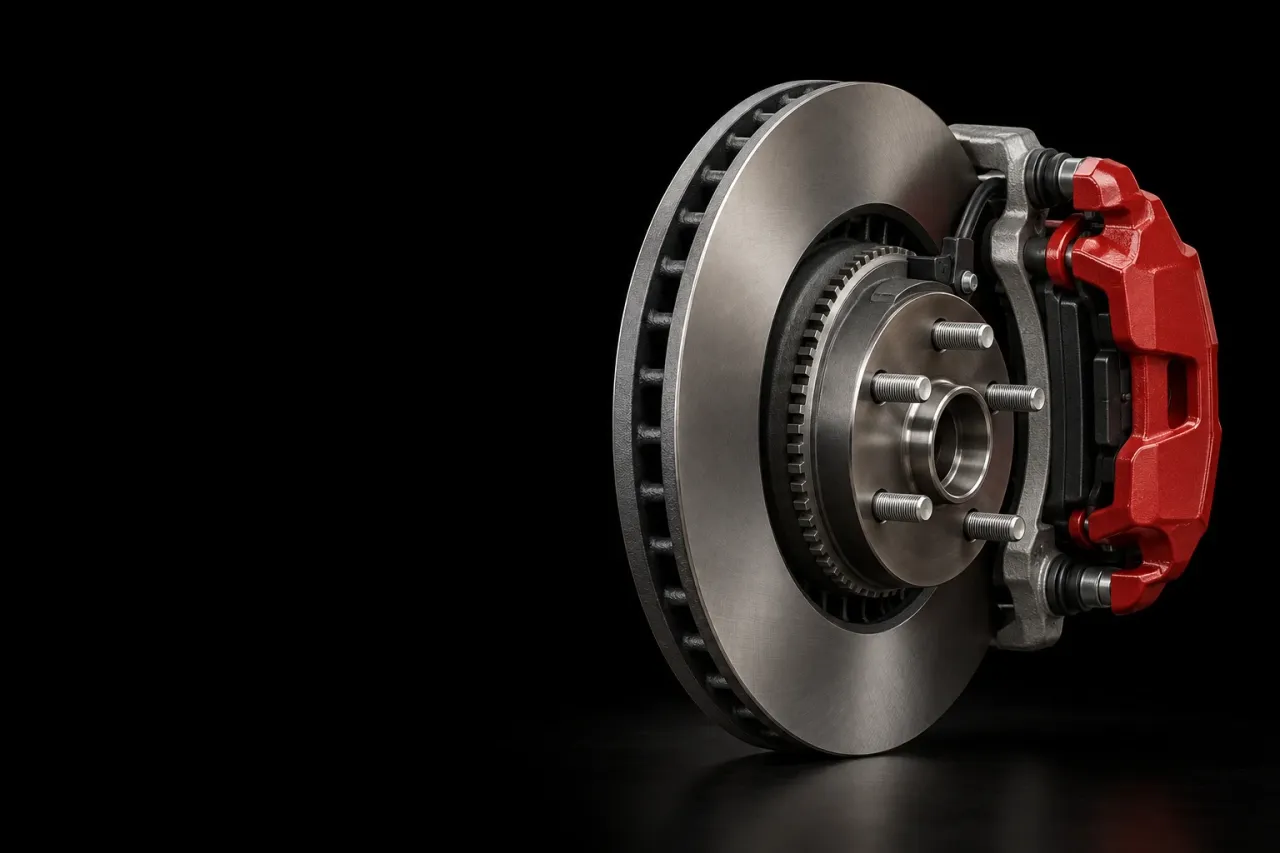
How do disc brakes and ABS work?
Pressing the brake pedal pushes fluid to a caliper at each wheel, where a piston squeezes two friction pads against a brake rotor that turns with the wheel.
Read the guide -
Steering
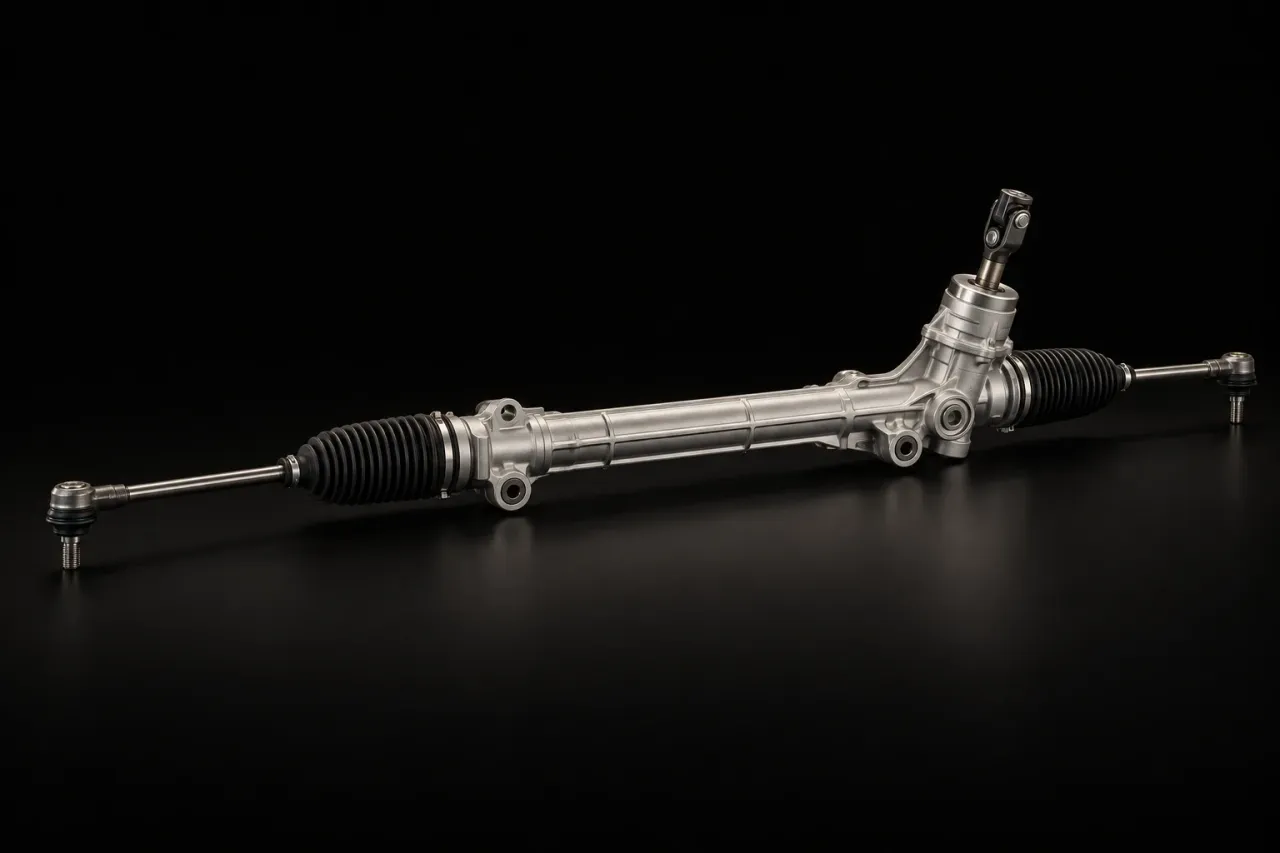
How does rack and pinion steering work?
In rack and pinion steering, the steering column turns a small gear, the pinion, which meshes with a toothed bar, the rack.
Read the guide
How the systems fit together
Every car has two jobs to do: make power and get it to the road, and hold the wheels so the car can steer, stop and ride over bumps.
The power path, front-wheel drive
- Engine Burns fuel to turn the crankshaft
- Clutch Connects and disconnects the engine
- Transmission Picks the ratio for the road speed
- Differential Splits the drive between the wheels
- CV axles Carry the drive to the steered wheels
The chassis, at each corner
- Suspension MacPherson strut or double wishbone
- Steering Rack and pinion turns the front wheels
- Brakes Rotors and pads, with ABS
See all eight in 3D
Orbit them, pull them apart, rebuild them in workshop order and test yourself, then practice workshop jobs in the hands-on courses.